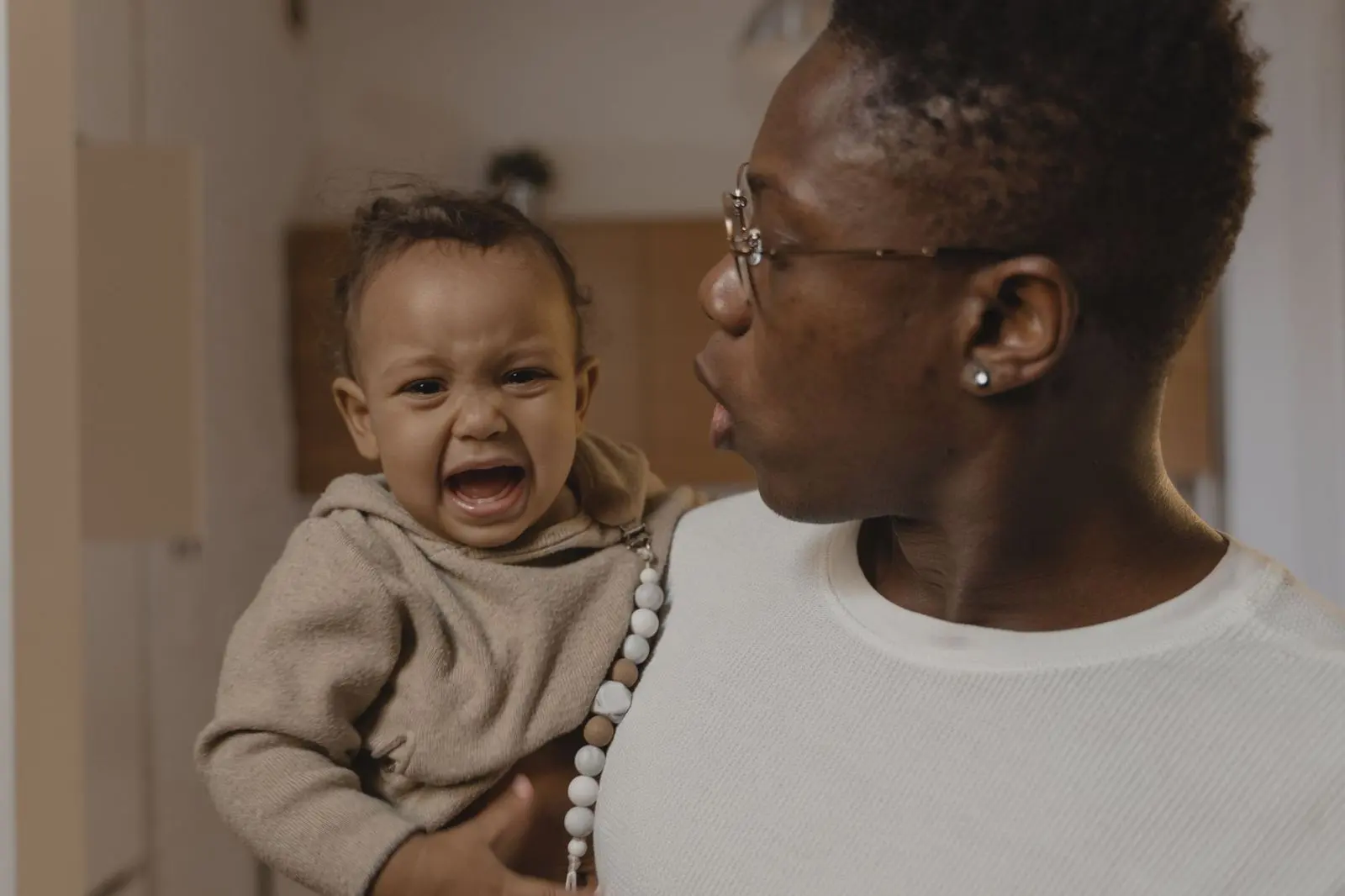

Worried your newborn sleep schedule looks nothing like the books? That’s normal: newborns sleep most of the day in short stretches around feeds, and a day-night rhythm comes later.
If you are still finding your feet, our guide to parenting tips for new parents covers the wider picture.
| Item | Value |
|---|---|
| Typical newborn sleep over a full day | 14-17 hours over a 24-hour period |
| Breastfed babies: feeding rhythm | About every 2-3 hours |
| Bottle-fed babies: feeding rhythm | About every 3-4 hours |
| Waking a sleepy baby to eat, until good weight gain | Every 3-4 hours |
| Longer sleep stretch some babies reach | 5-6 hours at a time by 2-3 months of age |
These figures come from NAPNAP’s KidsHealth page on newborn sleep. Guidance can change, so check the sources before you rely on them.
How much sleep does a newborn really get?
Newborns should get 14-17 hours of sleep over a 24-hour period, according to the National Sleep Foundation figure quoted on KidsHealth. Some newborns may sleep up to 18-19 hours a day. That sleep arrives in short pieces, not one long block.
Every baby has a different sleep pattern, so treat these numbers as a range rather than a target. If you are unsure whether your baby sleeps too much or too little, your pediatrician is the right person to ask.
Why newborns wake so often
Newborns have no sense of day and night yet, so they sleep around the clock. Their tiny stomachs don’t hold enough breast milk or formula to keep them satisfied for long, which means they wake to eat at any hour, as KidsHealth explains.
Breastfed babies feed about every 2-3 hours, while bottle-fed babies tend to feed about every 3-4 hours, according to the same page. In the early weeks, that feeding rhythm, not the clock, sets your newborn sleep schedule.

Waking your baby to feed in the first weeks
Some newborns sleep for long stretches, and those babies should be woken to eat. KidsHealth advises waking your baby every 3-4 hours to eat until good weight gain, which usually happens within the first couple of weeks. After that, it is fine to let your baby sleep longer at night.
Your pediatrician confirms when weight gain is good enough to stop waking your baby, so ask at the first checkups. In the meantime, a simple loop keeps the days manageable:
- Feed your baby when they wake or when it is time to wake them.
- Keep a short awake stretch for a diaper change, cuddles and a little supervised play.
- Settle your baby in a safe sleep space and rest when they do.
Our newborn must haves checklist is a handy place to sort out what to have ready for those night feeds.
Safe sleep comes before any schedule
However the day is organized, how your baby sleeps matters more than when. The rate of SIDS has gone way down since the AAP began recommending back sleeping in 1992, as KidsHealth notes. The same page lists the basics of a safe sleep space:
- Back: always place your baby on their back to sleep, not on the stomach or side.
- Surface: use a firm, flat sleep surface with a snug fitted sheet.
- Empty space: keep everything else out of the crib or bassinet.
- Temperature: dress your baby for the room and don’t overbundle.
Room-sharing without bed-sharing is the AAP recommendation, according to KidsHealth. Bed-sharing raises the risk of SIDS and other sleep-related deaths.
Swaddling is a personal choice. As of the AAP’s August 2023 page update, the AAP says parents may swaddle if they would like to, but infants should no longer be swaddled once they are able to roll themselves over.
Check the room, too. Our guide on how to baby proof a house is a useful companion for checking the rest of your home.
When will my baby sleep through the night?
There is no fixed date. Some babies start to sleep “through the night”, meaning 5-6 hours at a time, by 2-3 months of age, but some don’t, says KidsHealth.
So a longer stretch is a milestone to watch for, not a deadline. Bring your questions to your baby’s regular well-baby checkups, where your pediatrician can look at feeding, growth and sleep together.
Frequently asked questions
Can I let my newborn sleep longer at night?
Show answer
Once your pediatrician is happy with your baby’s weight gain, longer night stretches are fine. Until then, follow the feeding advice you were given at your checkups.
Does a baby with reflux need to sleep in a different position?
Show answer
No. The AAP’s HealthyChildren.org articles say babies with reflux should still sleep on their back, and that wedges and positioners marketed for reflux should be avoided. The same page notes that most babies outgrow reflux in 4 to 6 months, so talk to your pediatrician if you are worried.
Is an inclined sleeper a good idea for naps?
Show answer
As of the AAP’s August 2023 page update, the AAP advises parents to refrain from buying inclined sleepers, sometimes sold as nests, docks, pods or loungers. The incline can leave a baby in a chin-to-chest position that may restrict the airway.
Should I offer a pacifier at sleep time?
Show answer
You can, but don’t force it. KidsHealth says that if you are breastfeeding, you should wait until breastfeeding is firmly established, and that you don’t have to replace a pacifier that falls out during sleep.