Torn on baby bouncer vs swing? You’re not alone, and the choice matters less than how you use it. Either works as a short, awake-time seat for your baby; neither is a place to sleep.
This guide is part of our baby gear essentials series, which helps you spend on what you need and skip what you don’t.
| Item | Value |
|---|---|
| Year the Safe Sleep for Babies Act passed | 2022 |
| Inclined sleepers banned if they lift a baby’s head more than | 10 degrees |
| Infants who die in their sleep in the U.S. each year (AAP) | around 3,700 infants |
| Sudden unexpected infant death cases each year (CDC estimate) | about 3,500 cases |
| Possible drop in SIDS risk from sleeping in the parents’ room on a separate surface | as much as 50% |
These figures come from the AAP’s HealthyChildren.org page on registry items to avoid and a letter from pediatric and consumer groups to the CPSC. Figures can change, so check the sources before you rely on them.
What bouncers and swings have in common
The AAP’s HealthyChildren.org page lists swings, rockers, bouncers and gliders as gear that is safe when used as directed, but not for sleep (HealthyChildren.org). These products hold a baby in an upright or inclined position. If your baby falls asleep that way, their head can fall forward or sideways, which can make breathing hard or even impossible.
The same page notes that some products have been recalled after evidence that babies died while sleeping in them. So the safety rules for a bouncer and a swing are, in practice, the same rules.
Baby bouncer vs swing: how to compare them
Since neither is a sleep product, your choice comes down to daily life. Product designs vary a lot, so use the listing and the manual for specifics. Ask yourself these questions:
- Space: where will it live, and does that spot have room for a seat that stays out all day?
- Portability: will you carry it from room to room, or leave it in one place?
- Power: does the model need batteries or an outlet, and are you happy with that?
- Cleaning: are the fabric parts easy to remove and wash after spit-up?
- Budget: how long will your baby realistically use it before outgrowing it?
No product is named or ranked here, and none was tested for this guide. Commissions never decide what we recommend, and affiliate links are always disclosed.
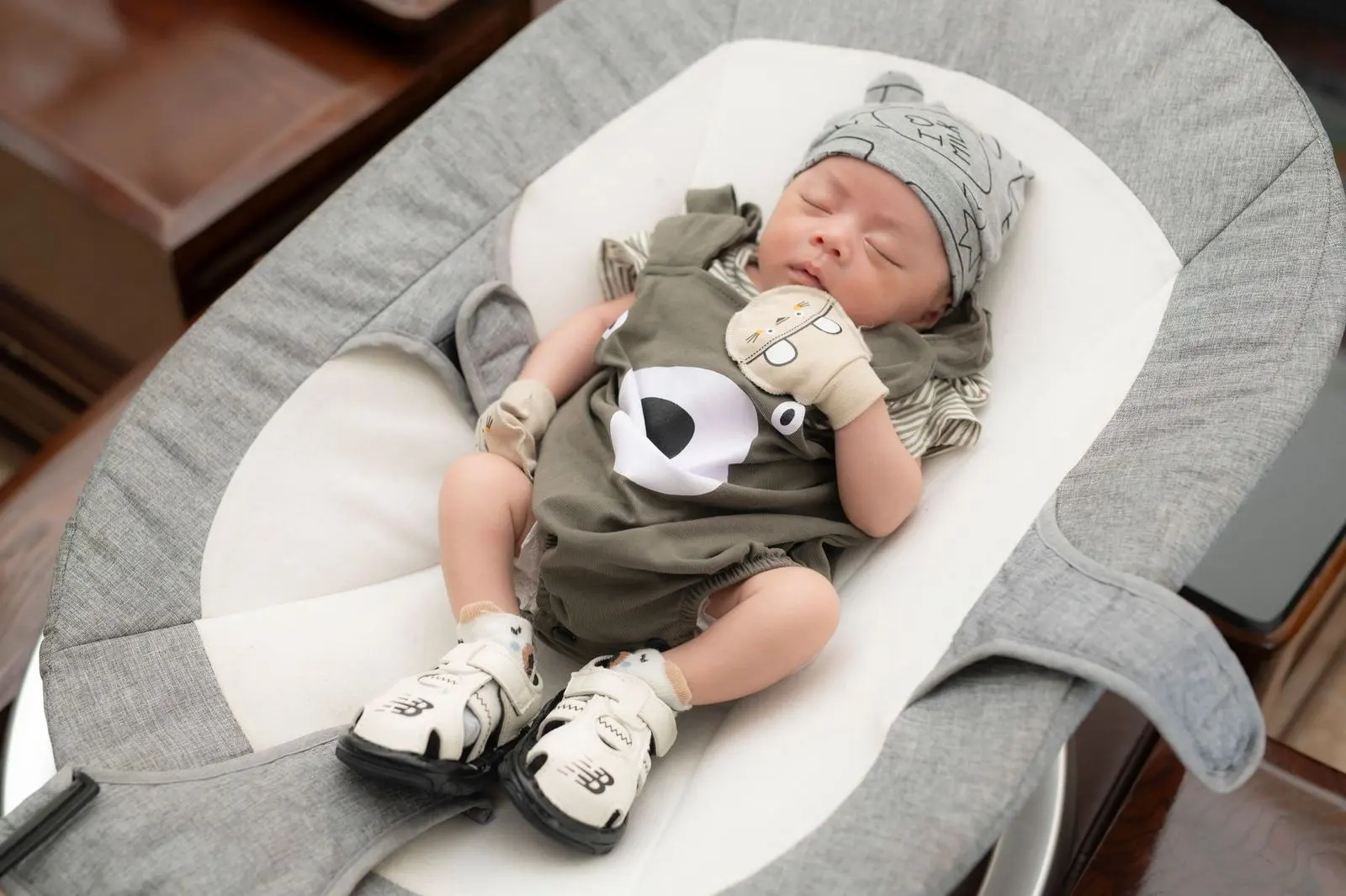
Why neither one is a bed
The AAP says that around 3,700 infants in the United States die in their sleep every year, including babies lost to SIDS and those who suffocate in a sleep space (HealthyChildren.org). Separately, the CDC estimates about 3,500 cases of sudden unexpected infant death annually, according to a letter signed by the AAP and four other organizations.
That letter also says sitting devices such as car seats, strollers, swings, infant carriers and slings are not recommended for routine sleep, particularly for young infants (letter to the CPSC).
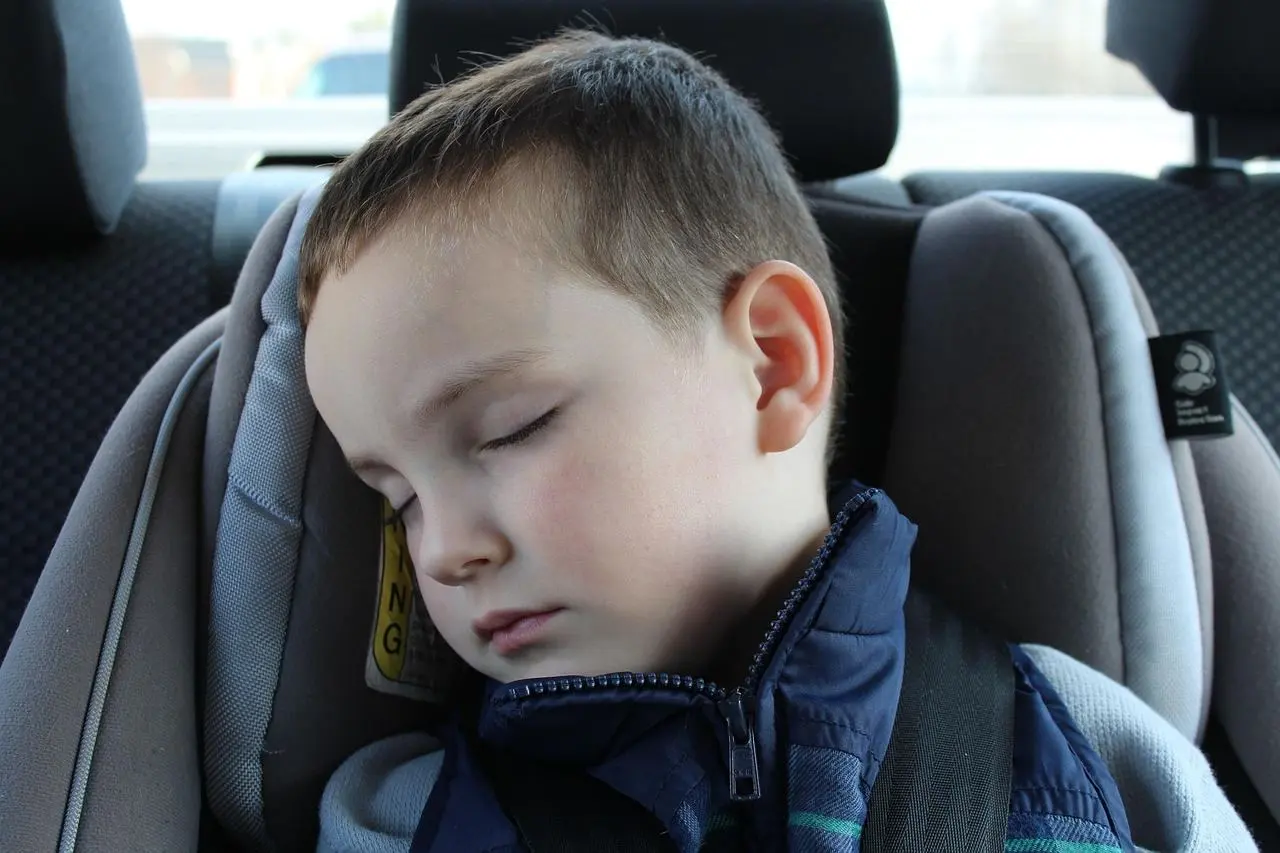
For a baby who dozes off in a car seat, the AAP advises moving them to a firm, flat sleep surface as soon as you can. It is a sensible habit after a doze in a bouncer or swing too, since the AAP lists both as not for sleep.
The safe-sleep basics
The AAP’s ABCDs apply to every nap and every night (HealthyChildren.org):
- Alone: a dedicated sleep space where no one else sleeps.
- Back: place your baby on their back to sleep.
- Crib: a firm, flat surface free of loose objects; a bassinet, co-sleeper, convertible crib or portable play yard with a firm mattress also works.
- Don’t smoke: keep all forms of smoke and vapor away from your baby.
Keeping your baby close by sharing a room rather than a bed helps too. Evidence cited in the pediatricians’ letter suggests a separate sleep surface in the parents’ room may lower SIDS risk by as much as 50%.
Do the sleep-product bans cover bouncers and swings?
As of the 2022 Safe Sleep for Babies Act, the federal ban covers inclined sleepers that lift a baby’s head more than 10 degrees, along with crib bumpers (HealthyChildren.org). The AAP page treats bouncers and swings in a separate group, as play gear rather than sleep products.
That means a bouncer or swing sold new is not automatically a sleep-safe pick just because it is legal. Read the manual, and follow the “not for sleep” guidance above.
Hand-me-downs and registry gifts
Secondhand gear is where the risk grows. The AAP warns that friends and family might offer gently used or homemade versions of risky products without knowing they could be dangerous (HealthyChildren.org). Since some products have been recalled, look up the model name and check the manual is included before you accept a used seat.
Putting it into your gear plan
Work through this order when you’re deciding:
- Decide whether you need a seat at all; a firm, flat sleep space is the true essential.
- Pick the style that matches your space, portability and power needs.
- Read the manual and use the seat only as directed.
- Move your baby to a crib or bassinet for any sleep.
Once your baby is eating solids, the next purchase to plan is a seat at the table, and our guide on how to choose a high chair covers that. If you are also packing for outings, the best diaper bag guide helps you carry the rest.
Frequently asked questions
Is a bouncer safer than a swing?
Show answer
The sources do not rank one above the other. The AAP puts both in the same group of play gear that is not meant for sleep, so supervision and following the manual matter more than the type.
Can my baby nap in a bouncer or swing?
Show answer
No. Because these seats keep a baby upright or inclined, a sleeping baby’s head can slump and block their breathing. Lay your baby on their back in a crib or bassinet instead.
Is it okay to take a used one from a friend?
Show answer
It can be, if you check for recalls and the manual first. The AAP cautions that secondhand baby gear sometimes includes products that are unsafe without the giver realizing it.
Do I need to buy both?
Show answer
Nothing in the sources says you need either one. A safe sleep space comes first, and a seat is an optional extra that depends on your home and routine.