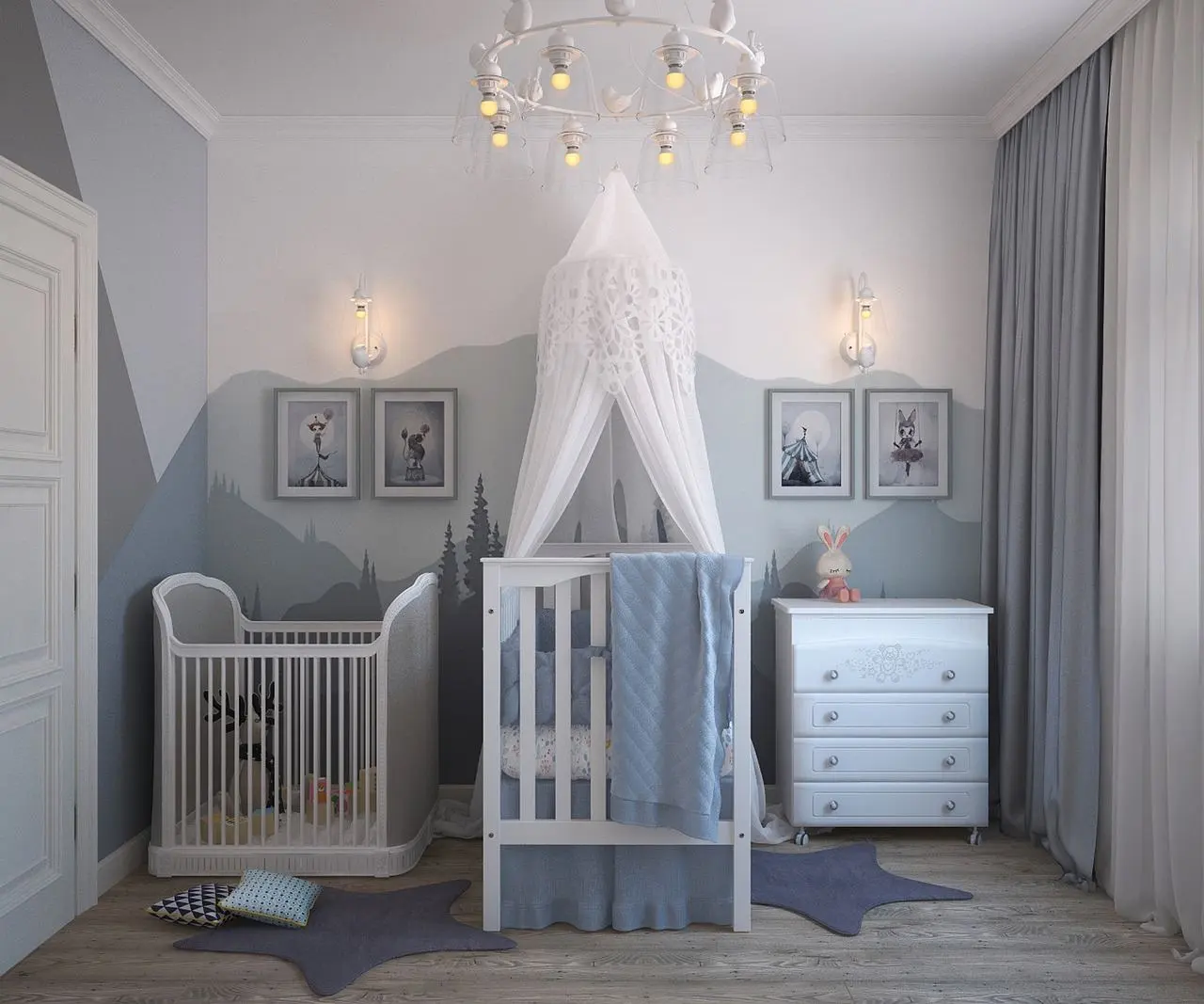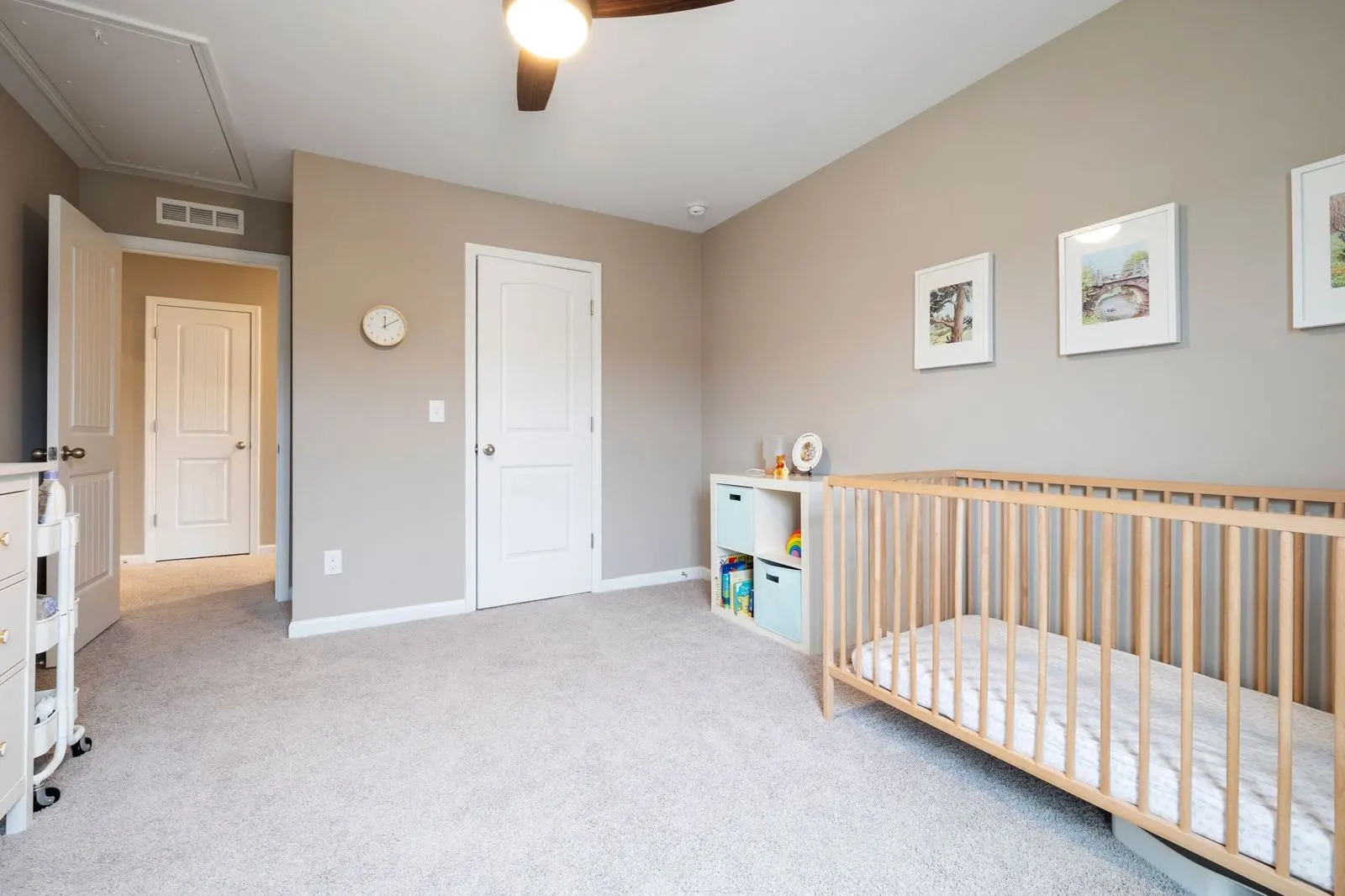
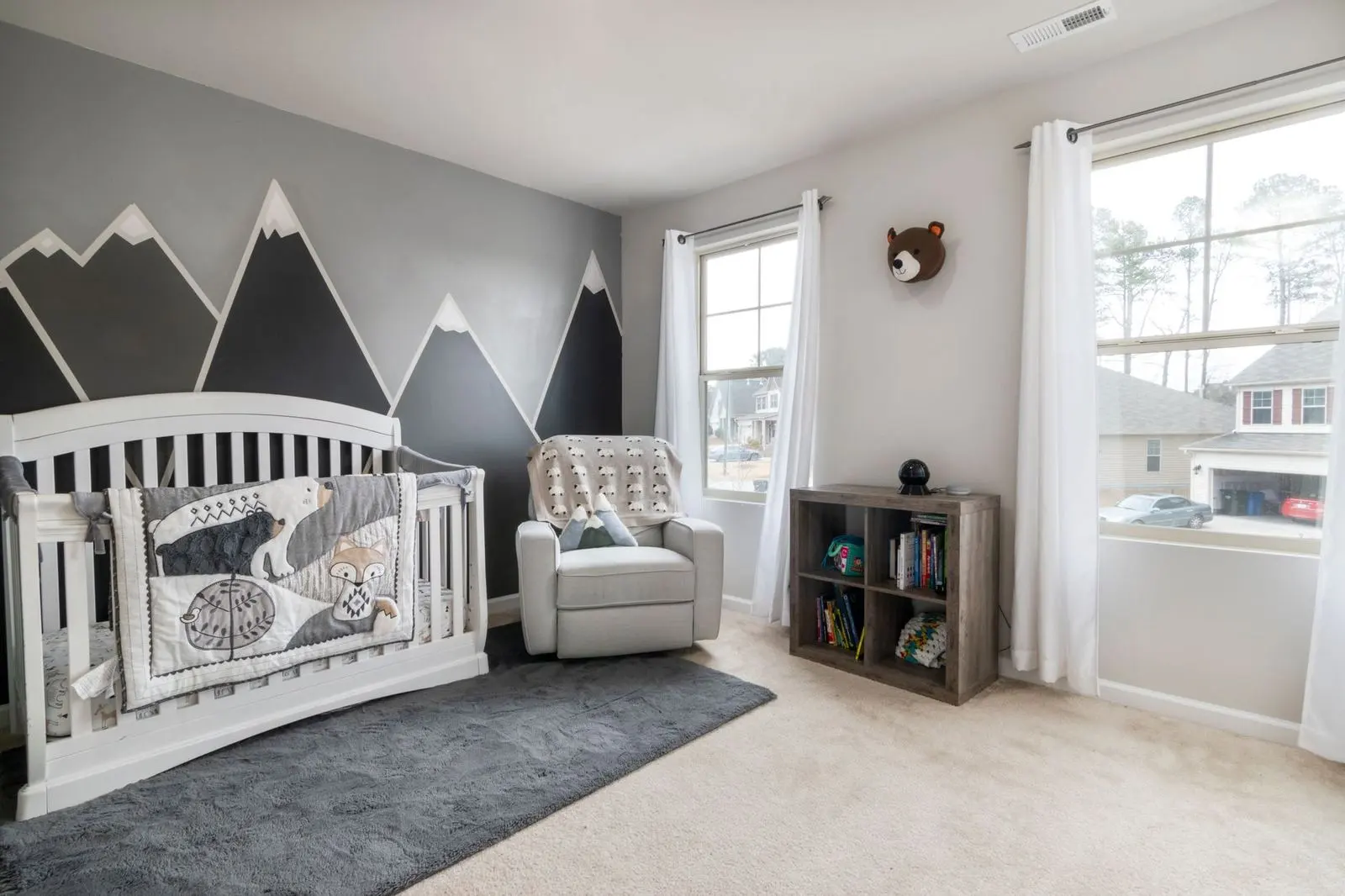
Picking a palette for a baby room can feel like a lot. These gray and white nursery ideas give you a calm, modern look, and the trick is layering soft textures, warm light and a safe, bare crib.
You can find more room-by-room inspiration in our guide to nursery ideas.
| Item | Value |
|---|---|
| Crib slat spacing | No more than 2-3/8 inches apart |
| Crib safety standard year | Choose a crib made after 2011 |
| Loose mattress test | If 2 fingers fit between mattress and crib side, it is too loose |
| Hanging mobile removal | Around 5 months of age, once baby is up on all fours |
These figures come from the AAP’s HealthyChildren.org crib guidance and the Nationwide Children’s Hospital nursery safety page. Safety guidance can change, so check the source before you rely on them.
Why gray and white works so well in a nursery
Gray and white make a quiet neutral base. Neither color competes for attention, so books, art and a favorite blanket can carry the personality of the room.
The palette also lasts. A soft gray wall can stay put as your baby becomes a toddler, and you only swap the accents. If you want a look that suits any baby, our guide to gender neutral nursery ideas pairs well with this scheme.
What you get from the pairing:
- A restful backdrop that feels tidy even when the room is busy.
- Easy accent changes, since almost any color sits well beside gray.
- A modern look that does not depend on a theme or character.
How to choose your grays and whites
Grays are not all alike, and the undertone decides how the room feels. Blue-leaning grays read crisp and cool, while warm grays with a touch of beige feel cozier. Whites work the same way: a creamy white softens a gray wall, and a stark white sharpens it.
Test before you commit:
- Tape large paint swatches to two different walls.
- Look at them in morning light, afternoon light and under lamps at night.
- Choose the shade that still looks gentle at your dimmest hour.
- Match the white for trim and ceiling to the undertone of that gray.
If you are nervous about a full wall of color, try a pale gray on three walls and white on the one behind the crib. A lighter shade also tends to make a small room feel more open, which helps when furniture takes up most of the floor.
Layering texture and pattern without crowding the crib
With a limited palette, texture does the work that color usually would. Think of a chunky knit throw over the glider, linen curtains, a woven basket for diapers and a plush rug underfoot. These touches add depth while keeping the room calm.
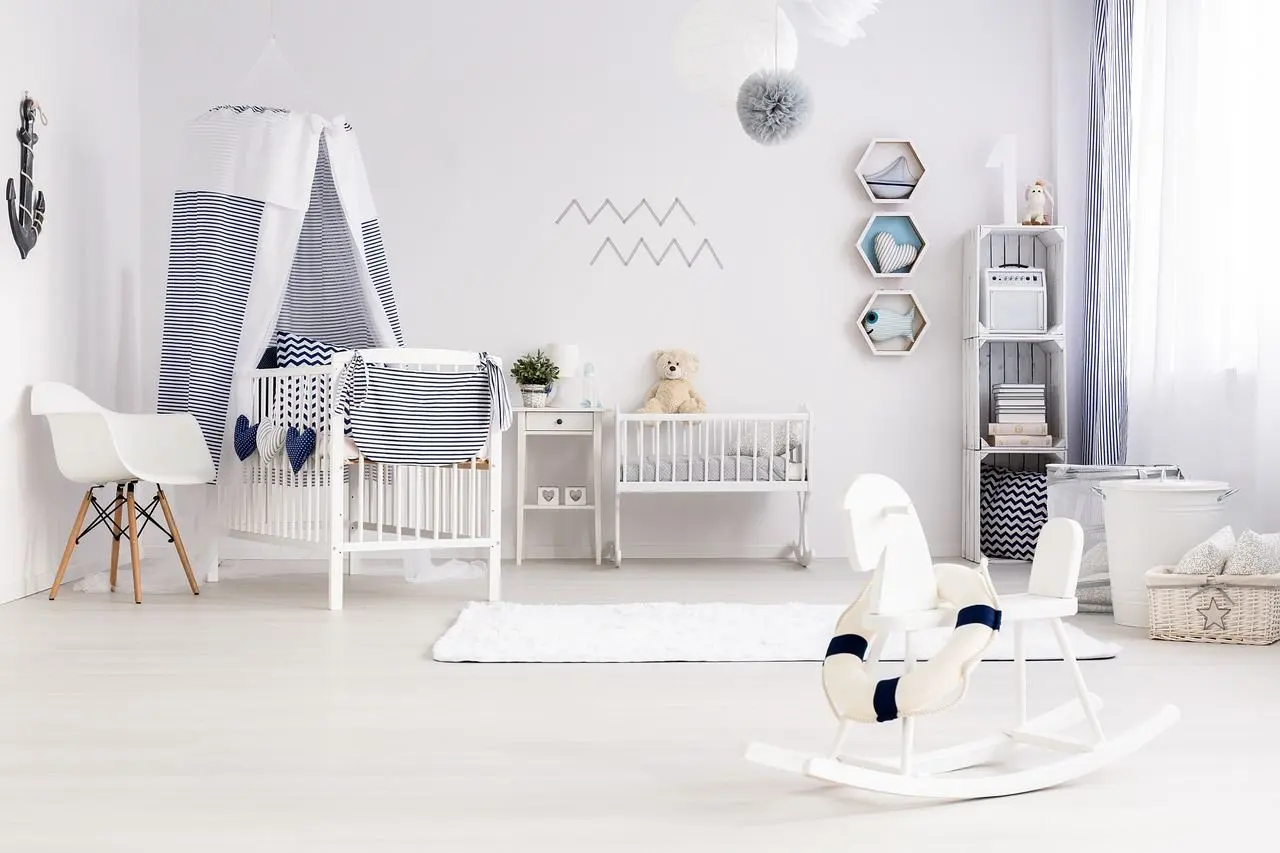
Pattern works best in small doses. Pick one gentle design, such as a thin stripe, a soft geometric or a faint cloud print, and repeat it once or twice. Too many patterns in similar grays can look muddy rather than modern.
Good places to layer interest:
- A rug with a subtle pattern under the glider or changing area.
- Curtains in a heavier gray linen with a white sheer behind them.
- Open shelves styled with a few white ceramics and board books.
- A framed print on the wall across the room from the crib.
Safety checks that come before styling
Styling comes second to sleep safety. A pretty crib area still has to follow official pediatric guidance, so use the checks below as a starting point and confirm details with your pediatrician and the sources linked here.
- Choose a crib with slats no more than 2-3/8 inches apart, as the AAP’s HealthyChildren.org crib guidance advises.
- Use a crib made after 2011, when standards changed, and check the mattress fit: Nationwide Children’s Hospital says a gap that fits 2 fingers means the mattress is too loose.
- Leave out matching gray-and-white bumpers and pillows, since the HealthyChildren.org crib guidance says to keep them out of the crib.
- If you hang a mobile, take it down when your baby can get up on all fours, usually around 5 months of age, according to Nationwide Children’s Hospital.
Where the crib sits matters for your styling plan too. The AAP’s HealthyChildren.org guidance suggests placing the crib well away from windows and at least an arm’s reach from dressers or tabletops. It also recommends limiting over-the-crib decoration to painted walls and wallpaper, and warns that picture frames and mirrors over cribs can cause injuries.
How to keep gray from feeling cold
Too much cool gray can make a room feel like an office. Warm materials fix that quickly: light oak or birch furniture, a cream rug, cotton in off-white and a few tan or caramel details.
Light matters as much as color. Soft, low lamps make gray look gentle at night, and our guide to nursery lighting ideas goes deeper on layering light for late feeds.
Accent colors that sit well with the palette:
- Sage green for a natural, restful feel.
- Dusty blush or soft peach for gentle warmth.
- Muted mustard or terracotta in one small piece, such as a pillow on the glider.
Frequently asked questions
Is a gray and white nursery too plain?
Show answer
Not when the room has variety in feel rather than hue. Mix matte and woven surfaces, add a single bold print on the far wall, and let a wood piece or two bring in warmth.
What gray or white bedding can go in the crib?
Show answer
Your styling choice inside the crib is the color of the fitted sheet. The HealthyChildren.org crib guidance says the AAP recommends nothing but a snugly fitted sheet with your baby in the crib during the first year, so put quilts and plush blankets on the glider or wall instead.
Should I style the nursery before the baby sleeps in it?
Show answer
You can finish the room whenever you like, but plan for the crib to stay near you at first. The AAP’s safe sleep guide recommends sharing a room with your baby for at least the first 6 months of life, so a calm reading corner may get more use early on than the crib wall.
Which accent colors go with gray and white?
Show answer
Soft greens, blush tones and warm neutrals are easy choices. Start with one accent in a few small items, then add more only if the room still feels too quiet.