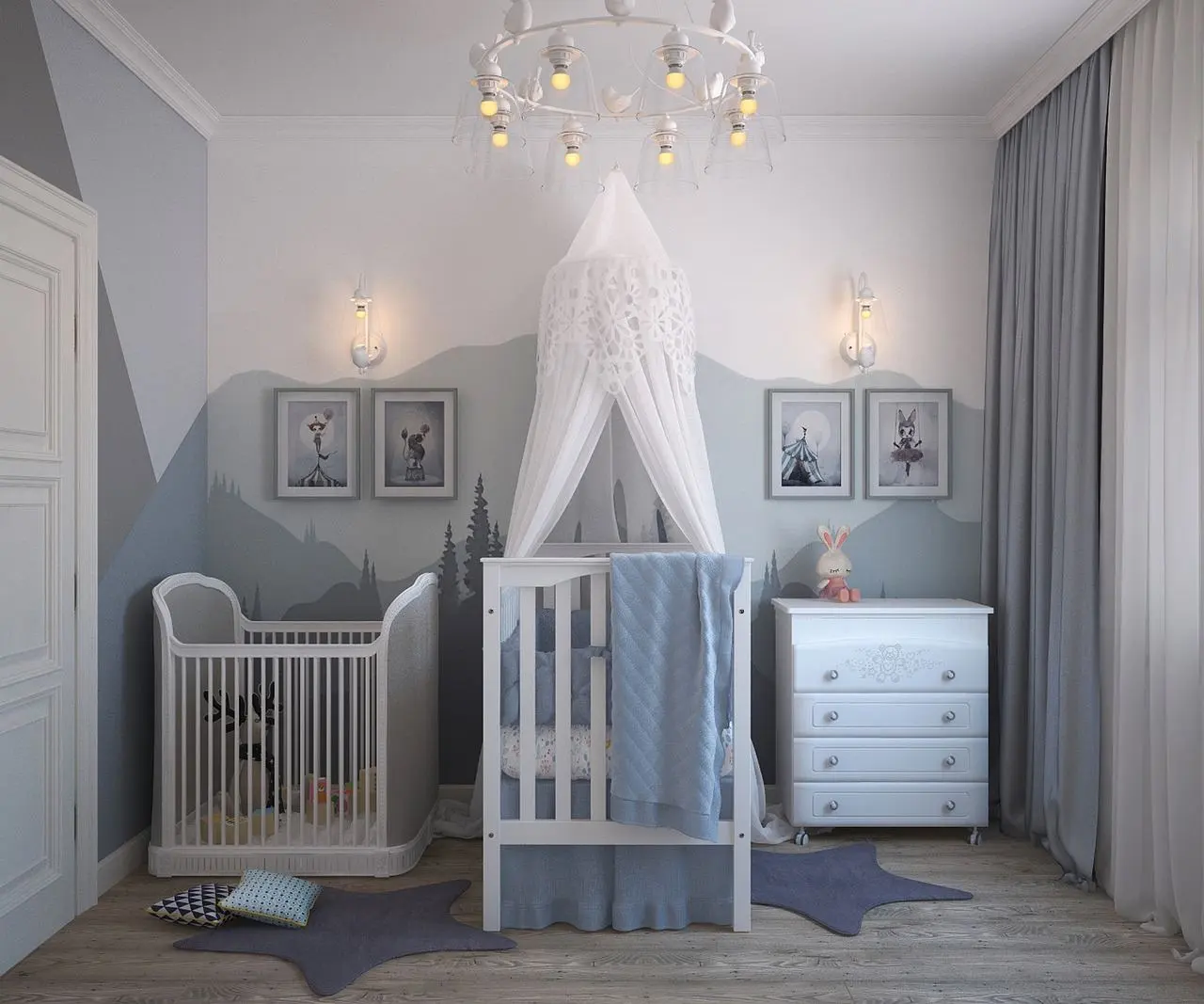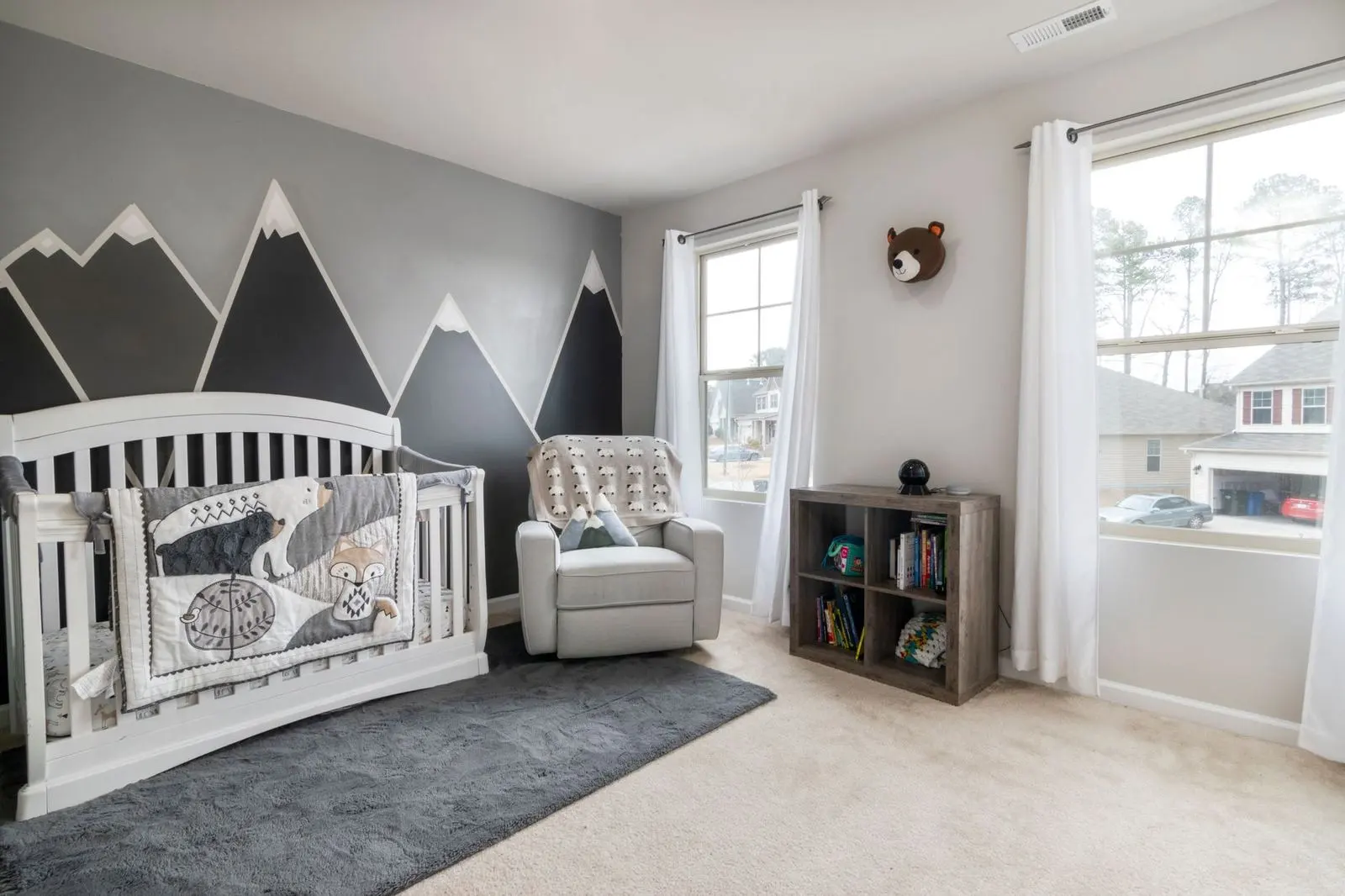

Baby gear piles up fast, and your nursery can feel crowded before the baby arrives. These nursery storage ideas keep things reachable and safe: anchor every dresser, use closed bins, and store by how often you reach for things.
If you are still planning the whole room, the guide to nursery ideas is a good place to start.
| Item | Value |
|---|---|
| Anti-tip device cost | $5 to $25 |
| Share of child tip-over deaths involving kids under six, 2000 to 2019 | 77% |
| Share of fatal child tip-over incidents that happen in bedrooms | About 50% |
| Widest gap allowed between crib slats | 2 and 3/8 inches |
| Crib manufacturing year to look for | After 2011 |
| Recalled children’s products that stay in homes | Up to 80% |
These figures come from HealthyChildren.org and Nationwide Children’s Hospital. They can change, so check the source before you rely on them.
Anchor the dresser before you fill it
A dresser is the workhorse of most nurseries, and it is also the piece that most needs securing. HealthyChildren.org reports that a child is rushed to the emergency department at least once every hour with an injury from a furniture or TV tip-over. Young children climb dressers, chests, TV stands and bookcases alike, so every tall piece in the room counts.
The same guidance suggests a few anchoring habits you can follow before the first diaper goes in a drawer:
- Secure all furniture and mirrors with anti-tip devices.
- Expect to move a piece so the anchor can go into a wall stud.
- Pick metal anchors, such as L brackets, because plastic can turn brittle and break over time.
- Keep heavy items low, since furniture can also become unstable when it is top-heavy.
Short furniture is not automatically safe. In a Consumer Reports test covered by Popular Science in 2018, half of 17 dressers of 30 inches or under could not support a 50-pound weight on an extended drawer. As of that report, the dresser stability standard was voluntary, so a low dresser deserves an anchor too.
How should you organize nursery storage by zone?
The simplest system is to store things where you use them. Think in zones instead of one big pile, and keep each zone’s supplies within an arm’s reach of where you will stand or sit.
- Changing zone: diapers, wipes, cream and a spare outfit in a shallow caddy or top drawer.
- Feeding zone: burp cloths, bibs, bottles or nursing supplies in a basket beside the chair.
- Play and book zone: a low, open shelf or a few baskets that stay light.
- Overflow zone: bigger sizes, seasonal clothes and spare bedding on a high closet shelf.
Where each zone lands depends on doors, windows and outlets, so the nursery layout ideas guide is worth reading before you buy any furniture.
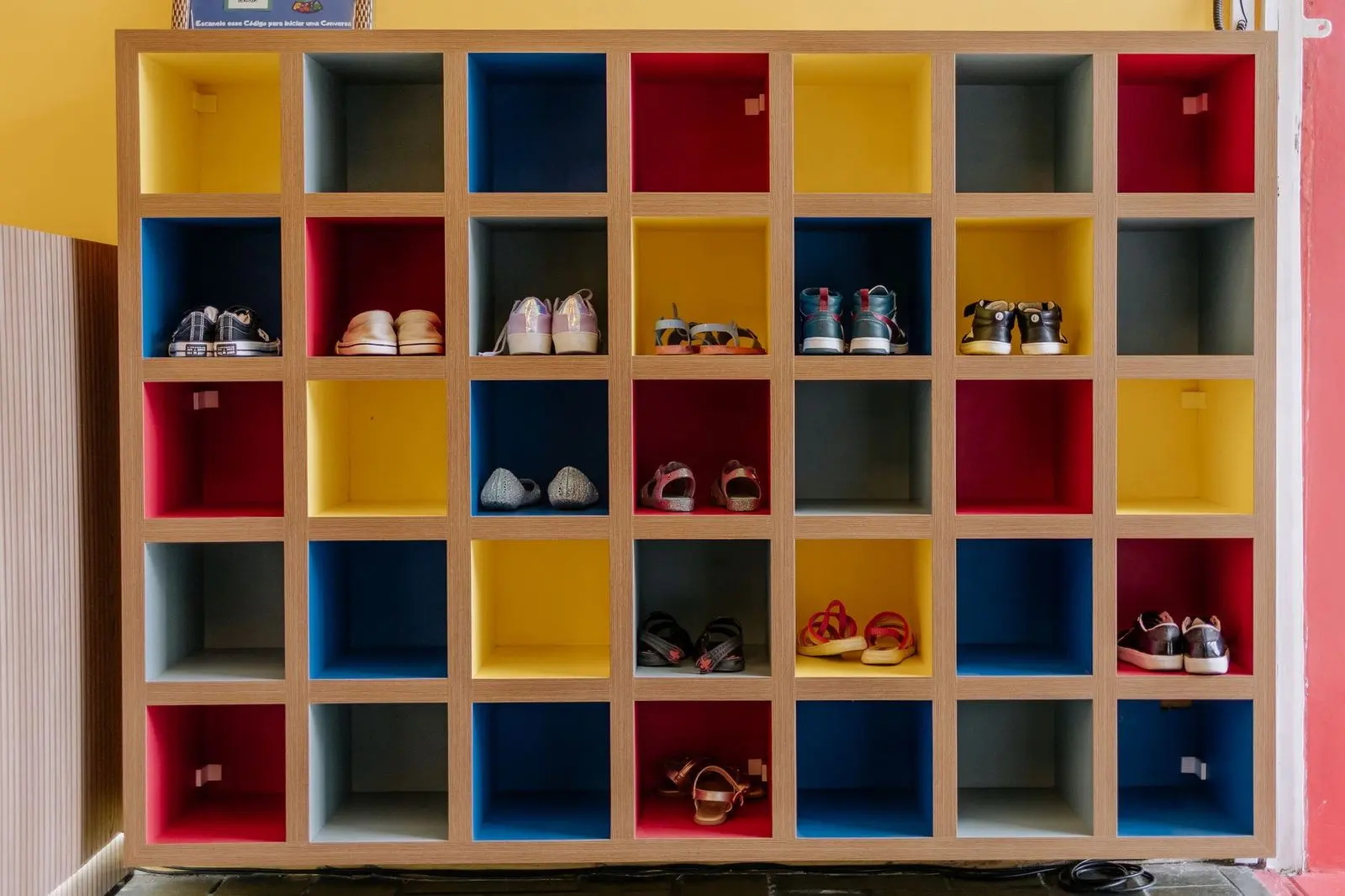
Once the zones are set, add labels to opaque bins so a tired, middle-of-the-night version of you can find the right thing without emptying the basket. Keep the labels simple, such as “sleepers,” “burp cloths” and “next size up.”
Closet and shelf storage that grows with your baby
Baby clothes change sizes quickly, so a closet set up by size saves a lot of rummaging. Closet dividers, a bin for the next size up and a donation bin by the door keep outgrown items from creeping back into drawers.
A few habits keep shelves useful over time:
- Put the items you grab every day at adult chest height.
- Put heavy things, like a diaper refill box, on the lowest shelf.
- Use baskets with soft sides so nothing sharp ends up at toddler level later.
- Anchor any tall bookcase, because HealthyChildren.org lists bookcases among the furniture young children climb.
Wall shelves and art compete for the same space, so look at the nursery wall decor ideas guide before you drill. Plan the shelf spots and the picture spots together, and the room will look calmer.
Keep the crib and changing table clear
A crib is for sleep, not storage. Nationwide Children’s Hospital’s nursery safety page says not to place pillows, blankets, bumper pads or stuffed toys in the crib with the baby, and to use sleepers or sleep sacks instead of blankets.
Overhead items need the same care. The page advises taking down hanging toys and mobiles once the baby can get up on all fours, usually around 5 months of age, so skip hanging organizers near the crib as well (source).
The changing table is where reachable storage matters most. The same page says to always use the safety belt and to keep at least one hand on the baby at all times, even with the belt fastened. Stock diapers, wipes and cream within reach so you never have to turn away or step off to grab one.
Check recalls before you buy storage
Before you buy a new dresser, bookcase or bin system, look for recalls. Nationwide Children’s Hospital notes a new recall for a nursery product about every two weeks in the U.S., and up to 80% of recalled children’s products remain in homes afterward (source). It also recommends registering each purchase with the manufacturer.
Furniture is not exempt. As of Popular Science’s 2018 report, IKEA and Target had issued recalls in recent years for products that tipped over during normal use. The report also cited an estimate of 28,300 people injured by falling furniture between 2015 and 2017.
This guide recommends no specific products, and nothing in it comes from product testing. For safety questions, rely on official pediatric guidance, such as the AAP’s HealthyChildren.org pages.
Frequently asked questions
Do short dressers need to be anchored too?
Show answer
Yes. In the Consumer Reports testing that Popular Science covered in 2018, just five of the low models passed with flying colors, so a bracket is cheap insurance at any height.
Can I keep a TV or heavy decor on top of the nursery dresser?
Show answer
It is better not to. HealthyChildren.org explains that children are too short to see the tops of tall furniture, yet tempting items like TVs, tablets and toys often sit there. Store those things low and out of sight.
What if I rent and cannot drill into the walls?
Show answer
Ask your landlord first. The AAP’s advice at HealthyChildren.org is to explain why childproofing matters, and it points out that holes in walls and furniture can be fixed later.
How do I store clothes if the nursery has a tiny closet?
Show answer
Use a freestanding wardrobe or a slim dresser and fasten it to the wall. The AAP guidance asks parents to anchor all furniture, so any extra storage piece you add should be anchored as well.